http://mcadams.posc.mu.edu/txt/ah/assyria/inscra00.html
COLUMN I
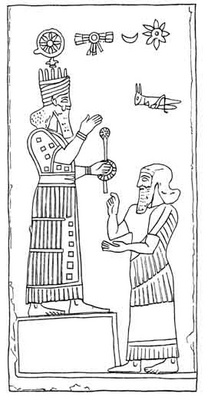
 (Ashur upon his ziggurat temple residence, & Assyrian mixed-breed semi-divine king before him)
1. Asur (Osiris) the great lord, the director of the hosts of the gods,
2. the giver of the scepter and the crown, the establisher of the kingdom;
3. Bel (__Enlil)__, the lord (bilu), the king of all the spirits of the earth,
4. the father of the gods, the lord of the world;
5. Sin (__Nannar) (the Moon-god), the sentient one, the lord of the crown,
6. the exalted one, the god of the storm;
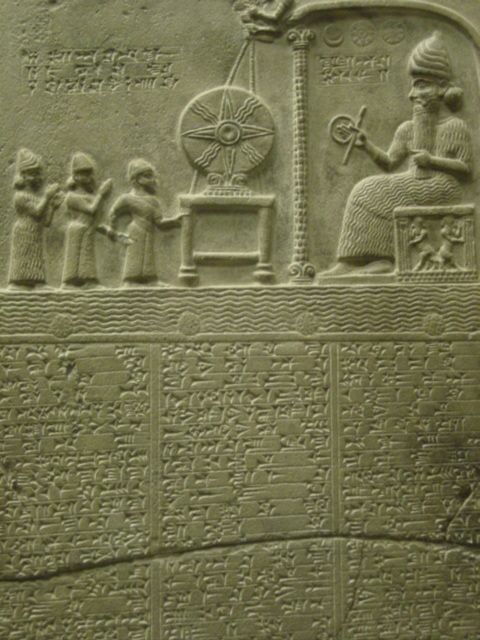 (Utu seated, Sun God, god over the “wheel of justice”)
7. Samas (__Utu / Shamash, Nannar’s son__) (the Sun-god), the judge of heaven and earth, who beholds
8. the plots of the enemy, who feeds the flock;
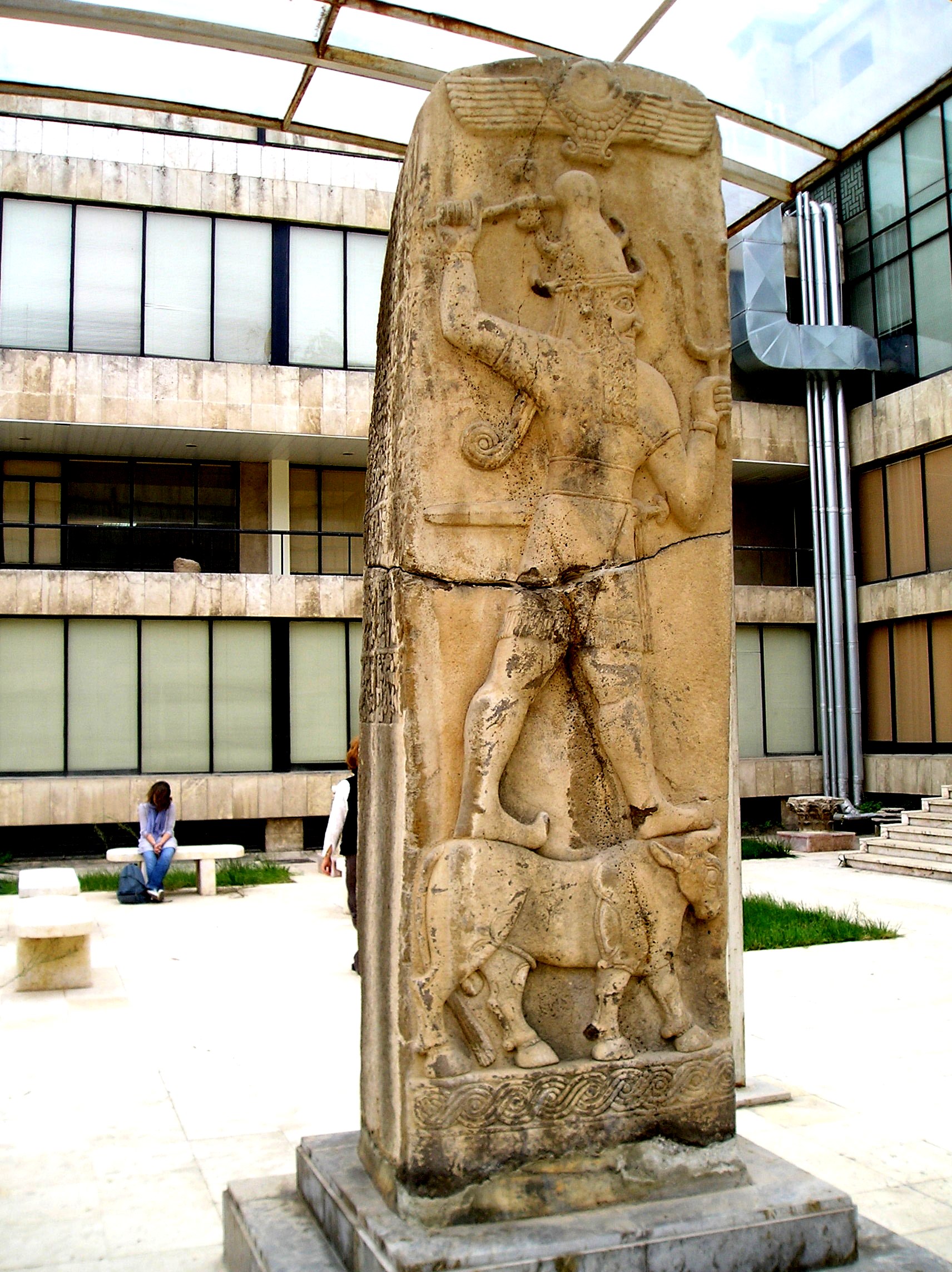 (Adad, God of Thunder with alien weaponry)
9. Rimmon (__Adad) (the Air-god**)**, the prince, the inundator of hostile shores,
10. of countries (and) houses; 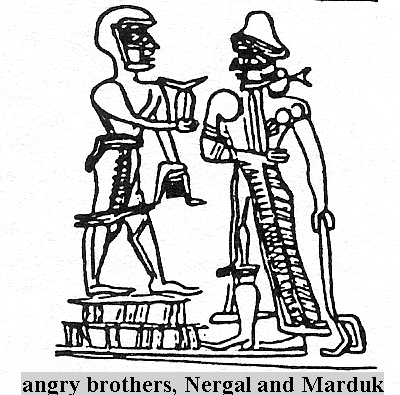 (semi-divine high-priest, & Marduk, leader of Enki’s descendants)
11. Uras (Marduk), the hero, the destroyer of evil men and foes,
12. who discloses all that is in the heart;
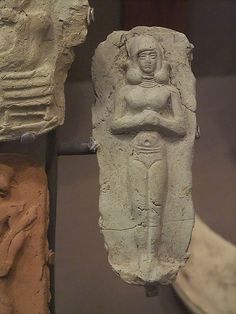 (Inanna with no need for girdles)
13. Ishtar (__Inanna), the eldest of the gods, the lady of girdles,
- the strengthener of battles.
________
15. Ye great gods, guiders of heaven (and) earth,
16. whose onset (is) opposition and combat,
17. who have magnified the kingdom
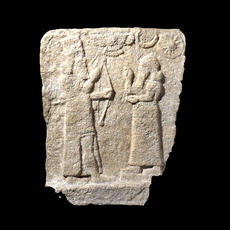 (Ashur & Assyrian mixed-breed king)
18. of Tiglath-Pileser, the prince, the chosen
19. of the desire of your hearts, the exalted shepherd,
20. whom you have conjured in the steadfastness of your hearts,
21. with a crown supreme you have clothed him; to rule 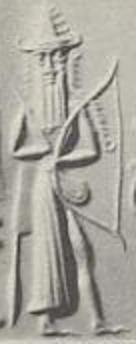
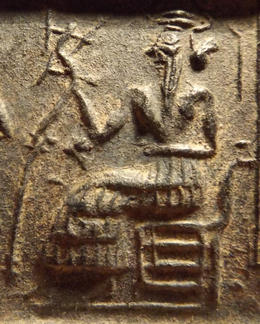 (Enlil, Earth Colony Commander of the Anunnaki)
22. over the land of Bel (__Enlil) mightily you have established him;
23. priority of birth, supremacy (and) heroism
24. have you given him; the destiny of his lordship
25. for his increase and supremacy,
26. to inhabit Bit-kharsag-kurkurra
27. for ever have you summoned.
_________
28. Tiglath-Pileser, the powerful king,
29. the king of hosts who has no rival, the king of the four zones,
- the king of all kinglets, the lord of lords, the shepherd-prince, the king of kings,
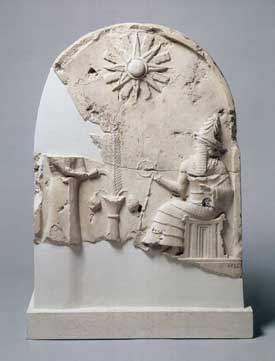 (mixed-breed king stands before Utu, the Sun God)
31. the exalted prophet, to whom by the proclamation of Samas (__Utu / Shamash)
32. the illustrious scepter has been given as a gift, so that the men
33. who are subject to Bel he has ruled
34. in (their) entirety; the faithful shepherd,
35. proclaimed (lord) over kinglets, 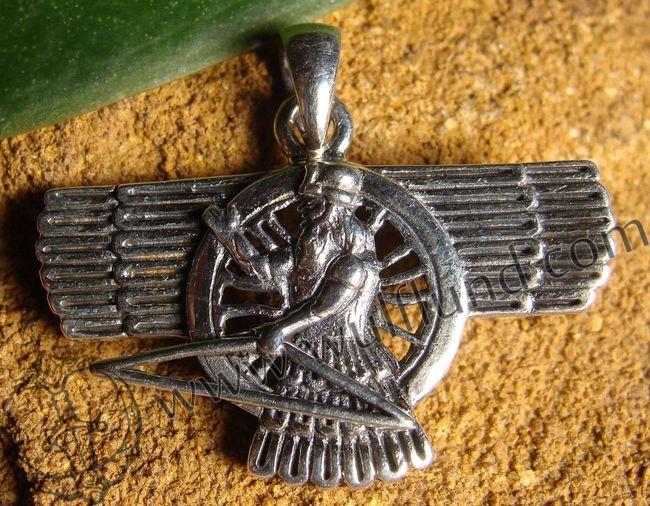 (Ashur pendant, in his armed sky-disc)
36. the supreme governor whose weapons (alien technologies) Asur (__Osiris)
37. has predestined, and for the government of the four zones
38. has proclaimed his name for ever; the capturer
39. of the distant divisions of the frontiers
40. above and below; the illustrious prince
41. whose glory has overwhelmed (all) regions;
42. the mighty destroyer, who like the rush
43. of a flood is made strong against the hostile land;
44. by the proclamation of Bel he has no rival;
45. he has destroyed the foeman of Asur.
_________
46. May Asur (and) the great gods who have magnified my kingdom,
47. who have given increase and strength to my fetters,
48. (who) have ordered the boundary of their land
49. to be enlarged, cause my hand to hold
- their mighty weapons (alien technology), even the deluge of battle.
51. Countries, mountains,
52. fortresses and kinglets, the enemies of Assur,
53. I have conquered, and their territories
54. I have made submit. With sixty kings,
55. I have contended furiously, and
56. power (and) rivalry over them
57. I displayed. A rival in the combat,
58. a confronter in the battle have I not.
59. To the land of Assyria I have added land, to its men
60. (I have added) men; the boundary of my own land
61. I have enlarged, and all their lands I have conquered.
_________
62. At the beginning of my reign twenty thousand men
63. of the Muskâya and their five kings,
64. who for fifty years from the lands of Alzi
65. and Purukuzzi had taken the tribute
66. and gifts owing to Asur my lord,—
67. no king at all in battle
68. had subdued their opposition—to their strength
69. trusted and came down; the land of Kummukh
70. they seized. Trusting in Asur my lord
71. I assembled my chariots and armies.
72. Thereupon I delayed not. The mountain of Kasi-yara,
73. a difficult region, I crossed,
74. with their twenty thousand fighting men
75. and their five kings in the land of Kummukh
76. I contended. A destruction of them
- I made. The bodies of their warriors
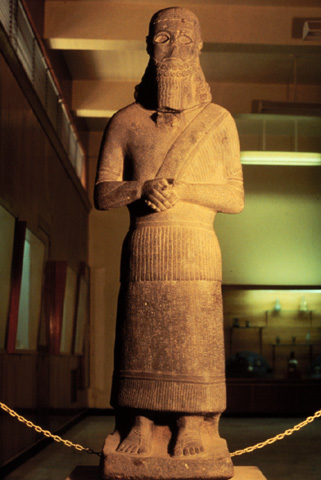 (Adad / Ishkur/ Rimmon, Enlil’s son)
78. in destructive battle like the inundator (Rimmon) (Adad)
79. I overthrew; their corpses I spread
80. over the valleys and the high places of the mountains.
81. Their heads I cut off; at the sides
82. of their cities I heaped (them) like mounds.
83. Their spoil, their property, their goods,
84. to a countless number I brought forth. Six thousand (men),
85. the relics of their armies, which before
86. my weapons had fled, took
87. my feet. I laid hold upon them and
88. counted them among the men of my own country.
_________
89. In those days, against Kummukh, the disobedient,
90. which had withheld the tribute and gifts for Asur my lord,
91. I marched. The land of Kummukh
92. I conquered throughout its circuit.
- Their spoil, their property, their goods
94. I brought forth; their cities with fire
Footnotes
92:1 Identified with Ea in W.A.I., ii. 60, 21. 92:2 Or “hollows.” 93:1 “The Temple of the Mountain of the World,” the name of an old temple in the city of Assur, which had been restored by Shalmaneser I (B.C. 1300). In early Babylonian mythology “the Mountain of the World” was the Olympos on which the gods dwelt, and which was identified with Mount Rowandiz. It is referred to in Isaiah xiv. 13, where the Babylonian king is made to say: “I will ascend into heaven, I will exalt my throne above the stars of Elohim_: I will sit also on the mount of the assembly (of the gods) in the extremities of the north. I will ascend above the heights of the clouds; I will be like the most High.”_ 93:2 Isippu, related to asipu, “a diviner,” which was borrowed by the Book of Daniel under the form ashshaph, and may have the same origin as the name of Joseph. 93:3 Pulugi, the Hebrew Peleg, in whose days the earth was “divided.” 94:1 Naplu, probably the same word as the Nephilim (Anunnaki from Nibiru) or “giants” of Gen. vi. 4 and Numb. xiii. 33. Sennacherib, in describing the construction of his palace, says: “A railing of three bronze cords and the divine Napallu I erected above it,” where “the divine Napallu” probably refers to the image of a protecting deity. 94:2 Literally, “in drunken fashion” (sutkuris). 94:3 The Meshech of the Old Testament, the Moschi of the classical writers, who in Assyrian times occupied the country to the north of Malatiyeh. In the later Assyrian inscriptions they are associated with the Tubal or Tibareni, as in the Old Testament. 94:4 Alzi lay on the southern bank of the Euphrates, between Palu and Khini, and included Enzite, the Anzitênê of classical geography (at the p. 95 sources of the Sebbeneh Su). Alzi was invaded by the Vannic king Menuas, who says that it formed part of the territory of the Khate or Hittites. 95:1 Kummukh, the classical Komagêne, extended in the Assyrian age on either side of the Euphrates, from Malatiyeh in the north to Birejik in the south, Merash probably being one of its cities. 95:2 Literally, “I awaited not the future.” 95:3 Mons Masius, the modern Tur Abdin.
COLUMN II
1. I burned, I threw down, I dug up. The rest
2. of (the men of) Kummukh, who before my weapons
3. had fled, to the city of Seress
-
on the further bank of the Tigris
-
passed over; the city for their stronghold
-
they made. My chariots and warriors
-
I took. The difficult mountains and their inaccessible
-
paths with picks of bronze
-
I split. A pontoon for the passage
-
of my chariots and army I contrived.
-
The Tigris I crossed. The city of Serise,
-
their strong city, I captured.
-
Their fighting men, in the midst of the mountains,
-
I flung to the ground like sling-stones (?).
-
Their corpses over the Tigris and the high places of the mountains
-
I spread. In those days the armies
-
of the land of Qurkhê, which for the preservation
-
and help of the land of Kummukh
-
had come, along with the armies
-
of Kummukh, like a moon-stone I laid low.
-
The corpses of their fighting men into heaps
-
in the ravines of the mountains I heaped up;
-
the bodies of their soldiers the river Name 24. carried away into the Tigris.
-
Kili-anteru the son of Kali-anteru,
-
(the descendant) of ’Saru-pin-’siusuni,
-
their king in the midst of battle my hand
-
captured; his wives (and) children
-
the offspring of his heart, his troops, 180
-
bronze plates, 5 bowls of copper,
-
along with their gods, gold (and) silver,
-
the choicest of their property, I removed.
-
Their spoil (and) their goods I carried away.
-
The city itself and its palace with fire
-
I burned, I pulled down, (and) dug up.
_________
-
As for the city of Urrakhinas, their stronghold,
-
which was situated on the mountain of Panari,
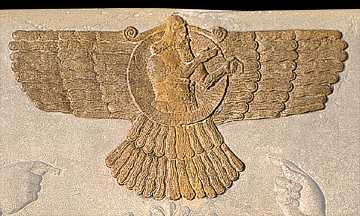 (Ashur traversing the airways above in his winged sky-disc)
-
fear that avoided the glory of Assur my lord
-
overwhelmed them. To save
-
their lives they removed their gods;
-
to the ravines of the lofty mountains
-
they fled like a bird. My chariots
-
and armies I took; I crossed the Tigris.
-
Sadi-anteru, the son of Khattukhi, the king
-
of Urrakhinas, that he might not be conquered,
-
in that country took my feet.
-
The children, the offspring of his heart, and his family
-
I took as hostages.
-
Sixty bronze plates, a bowl of copper,
-
and a tray of heavy copper,
-
along with 120 men, oxen,
-
(and) sheep, as tribute and offering
-
(which) he brought, I received. I had compassion on him;
-
I granted his life. The heavy yoke
-
of my lordship I laid upon him for future days.
-
The broad land of Kummukh throughout its circuit
-
I conquered; under my feet I subdued.
-
In those days a tray of copper (and) a bowl
-
of copper, from the spoil and tribute
-
of Kummukh I dedicated to Asur my lord.
-
The sixty bronze plates along with their gods
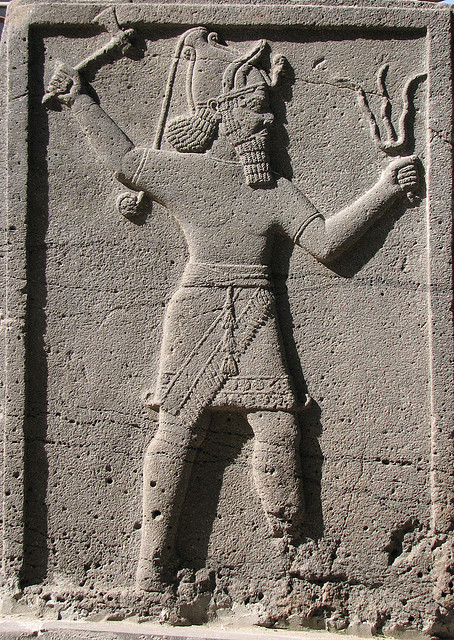 (Adad with weapons of thunder & lightning)
- I presented to Rimmon who loves me.
_________
-
Through the violence of my powerful weapons, which Assur the lord
-
gave for strength and heroism,
-
in thirty of my chariots that go at my side
-
my fleet steeds (and) my soldiers,
-
who are strong in destructive fight,
-
I took; against the country of Mildis, the powerful,
-
the disobedient, I marched. Mighty mountains,
-
an inaccessible district,
-
(where it was) good in my chariots (where it was) bad on my feet,
-
I crossed. At the mountain of Aruma,
-
a difficult district, which for the passage of my chariots
-
was not suited, I left the chariots,
-
I took the lead of my soldiers.
-
Like a lion (?) the obstacles (?) in the ravines of the inaccessible mountains
-
victoriously I crossed.
-
The land of Mildis like the flood of the deluge I overwhelmed.
-
Their fighting men in the midst of battle
-
like a moon-stone I laid low. Their spoil
-
their goods (and) their property I carried away.
-
All their cities I burned with fire.
-
Hostages, tribute and offering
-
I imposed upon them.
_________
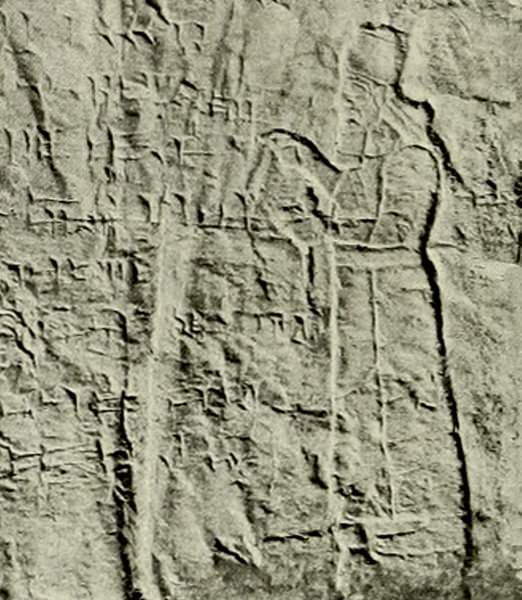 (giant mixed-breed Assyrian King Tiglath-Pileser I)
-
Tiglath-pileser, the hero, the warrior,
-
who opens the path of the mountains,
-
who subdues the disobedient, who sweeps away
-
all the overweening.
_________
-
The land of Subari, the powerful, the disobedient,
-
I subdued. As for the countries of Alzi
-
and Purukuzzi, which had withheld
-
their tribute and their offering,
-
the heavy yoke of my lordship upon them
-
I laid; (saying), each year tribute and offering
-
to my city of Asur, to my presence,
-
let them bring. In accordance with my valor,
-
since Asur the lord has caused my hand to hold
-
the mighty weapon (alien technologies) which subdues the disobedient, and
-
to enlarge the frontier of his country
-
has commanded (me), 4000 men of the Kaskâ
-
and of the Urumâ, soldiers of the Hittites (Khattî),
-
disobedient ones, who in their strength
Footnotes
96:1 This must have been in the neighborhood of Amid or Diarbekir. The Vannic king Menuas mentions a Hittite city, Surisidas, in the vicinity of Alzi. Delitzsch compares the Sareisa of Strabo. 96:2 Sutmasi. In R. 204. i. 22 sa sammasi is interpreted “a slinger,” and in W.A.I., iv. 13, 5, samsû is “a sling-stone.” 96:3 The land of Qurkhi extended eastward of Diarbekir, along the northern bank of the Tigris. The name is preserved in that of Kurkh, 20 miles S. E. of Diarbekir, where there are ruins, and where a stêlê of Shalmaneser II has been discovered. 97:1 Sarpina was the name of one of the Hittite cities, whose god was invoked in the treaty between Ramses II and the Hittite king. With the termination we may compare that of Abar-’siuni in iv. 82. 97:2 The first part of the name Sadi-anteru, which reminds us of the Lydian Sady-attês, may contain the name of the god Sanda or Sandon. A Hittite prince mentioned by the Vannic king Menuas was called Sada-hadas. Khattu-khi means “the Hittite,” the suffix -khi, as in Vannic, denoting a patronymic or gentilic adjective. Urra-khi-nas is similarly derived from Urra, the termination -khi-nas, in Vannic, denoting “the place of the people of.” 98:1 Literally ” complete horses.” 98:2 Liê. 98:3 Literally “mound” or “tel.” 99:1 Subari, called Subarti a few lines farther on, had been overrun by Rimmon-nirari I. (B.C. 1330), and was afterwards conquered by Assur-natsir-pal, who describes it as situated between Qurkhi and Nirib, or the plain of Diarbekir. As Qurkhi lay “opposite the land of the Hittites,” Subari would have adjoined the territory of the latter people, in the immediate vicinity of Alzi and Purukuzzi. 99:2 This seems to be the same word as the Kolkhians of classical geography, though the seat of the Kolkhians was far to the north of that of the Kaskâ. In the classical period, however, we find that the Moschi and Tibareni (Meshech and Tubal) had also shifted far to the north of their habitat in Assyrian times, and like the Kolkhians had settled on the shores of the Black Sea. A town of Kolkhis, now represented by the name of Lake Goldshik, lay to the S. W. of Palu. 99:3 Uruma may be the Urima of classical geography, the modern Urum. It is called Urume of Bitanu by Assur-natsir-pal, Bitanu being the district south of Lake Van.
COLUMN III
- had seized the cities of Subarti which looked to
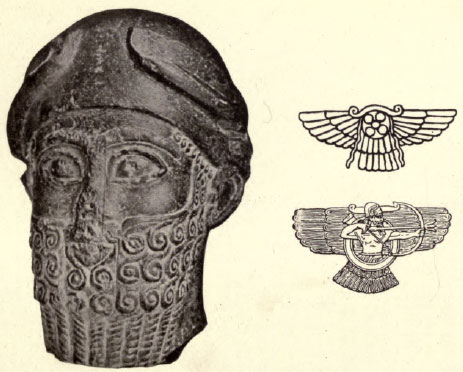 (Ashur, patron god over Assyria, powerful son to Marduk)
-
the face of Asur my lord,
-
heard of my march against the land of Subarti;
-
the glory of my valor overwhelmed them;
-
they avoided battle; my feet
-
they took.
-
Together with their property and 120
-
chariots (and the horses) harnessed to their yokes
-
I took them; as the men
-
of my own country I counted them.
_________
-
In the fierceness of my valor for the second time
-
to the country of Kummukh I marched. All
-
their cities I captured. Their spoil
-
their goods and their property I carried away.
-
Their cities with fire I burned,
-
I threw down (and) dug up, and the relics
-
of their armies, who before my powerful weapons (alien technology)
-
were terror-stricken and the onset of my mighty battle
-
avoided, to save
-
their lives sought the mighty summits
-
of the mountains, an inaccessible region.
-
To the fastnesses of the lofty ranges
-
and the ravines of the inaccessible mountains
-
which were unsuited for the tread of men
-
I ascended after them. Trial of weapons, combat
-
and battle they essayed with me.
-
A destruction of them I made. The bodies
-
of their warriors in the ravines of the mountains
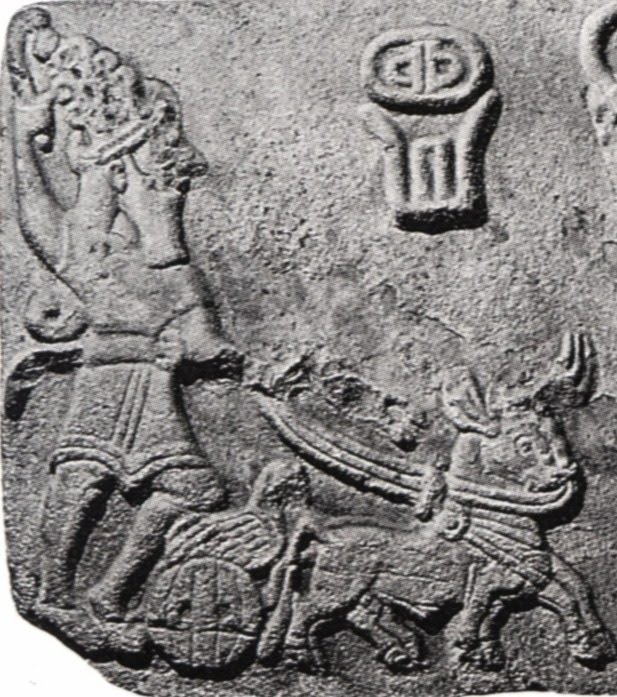 (Adad traversing the skies in his sky-chariot)
-
like the inundator (Rimmon) I overthrew. Their corpses
-
over the valleys and high places of the mountains
-
I spread. Their spoil, their goods
-
and their property from the mighty
-
summits of the mountains I brought down.
-
The land of Kummukh to its whole extent I subjugated, and
-
added to the territory of my country.
_________
-
Tiglath-pileser the powerful king,
-
the mighty overwhelmer of the disobedient, he who sweeps away
-
the opposition of the wicked.
 (Ashur, son to Marduk & Sarpanit, brother to Nabu)
-
In the supreme power of Asur my lord
-
against the land of Kharia and the widespread armies
-
of the land of Qurkhi,—lofty mountain-ranges
-
whose site no king at all
-
had sought out—Asur the lord commanded (me)
44**. to march. My chariots and armies**
-
I assembled. The neighborhood of the mountains of Idni
-
and Aya, an inaccessible district, I reached,
-
lofty mountains, which like the point of a sword
-
were formed, which for the passage of my chariots
-
were unsuited. The chariots in idleness
-
I left there. The precipitous mountains
-
I crossed. All the land of Qurkhi
-
had collected its widespread armies, and
-
to make trial of arms, combat and battle
-
in the mountain of Azutabgis was stationed, and
-
in the mountain, an inaccessible spot, with them
-
I fought, a destruction of them I made.
-
The bodies of their warriors on the high places of the mountains
-
into heaps I heaped.
-
The corpses of their warriors over the valleys and high places
-
of the mountains I spread. Against the cities
-
which were situated in the ravines of the mountains fiercely
-
I pierced (my way). Twenty-five cities of the land of Kharia
-
which lie at the foot of the mountains of Aya, Suira, Idni,
-
Sizu, Selgu, Arzanibiu, Uru’su, and Anitku,
-
I captured. Their spoil,
-
their goods and their property I carried off.
-
Their cities with fire I burned,
-
I threw down (and) dug up.
_________
-
The country of Adaus feared the onset of my mighty battle,
-
and their dwelling-place (the inhabitants) abandoned.
-
To the ravines of the lofty mountains
-
like birds they fled. The glory (alien technology) of Assur my lord
73**. overwhelmed them**, and
-
they descended and took my feet.
-
Tribute and offering I imposed upon them.
_________
-
The lands of ’Saraus and Ammaus
-
which from days immemorial had not known
-
subjection, like the flood of the deluge
-
I overwhelmed. With their armies
-
on the mountain of Aruma I fought, and
-
a destruction of them I made. The bodies
-
of their fighting-men like sling-stones (?)
-
I flung to the ground. Their cities I captured.
-
Their gods I removed. Their spoil,
-
their goods (and) their property I carried away.
-
Their cities with fire I burned,
-
I threw down (and) dug up; to mounds and ruins
-
I reduced. The heavy yoke of my lordship
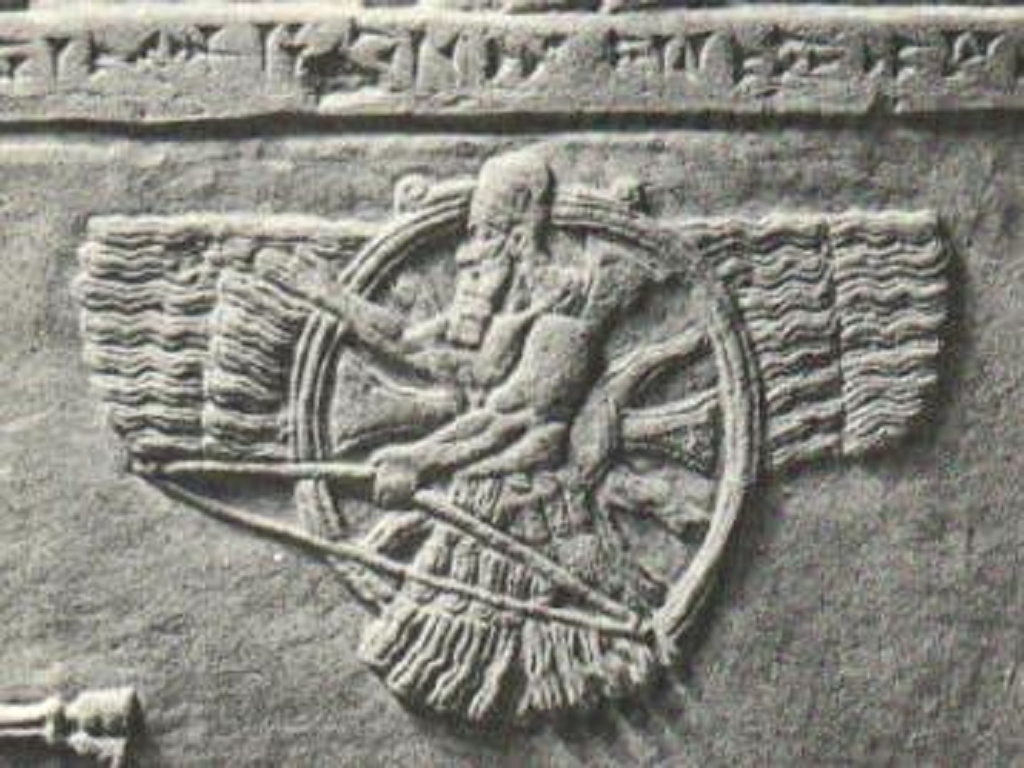 (Ashur with bow in his winged sky-disc)
-
I laid upon them. The face of Assur my lord
-
I made them behold.
_________
-
The powerful countries of I’sua and Daria
-
which were disobedient I conquered. Tribute
-
and offering I imposed upon them.
-
The face of Assur my lord I caused them to behold.
_________
-
In my supremacy when my enemies
-
I had conquered, my chariots and armies
-
I took. The lower Zab
-
I crossed. The countries of Murattas and Saradaus
-
which are in the midst of the mountains of A’saniu and Adhuma
-
an inaccessible region, I conquered.
-
Their armies like lambs
-
I cut down. The city of Murattas,
-
their stronghold, in the third part of a day
-
from sunrise I captured.
-
Their gods, their goods, (and) their property,
-
60 plates of bronze,
Footnotes
100:1 That is, were subject to. 101:1 It is clear that Kharia was a district of Qurkhi which lay eastward of Diarbekir and the Supnat or Sebeneh Su, in the direction of Bitlis. It is perhaps the Arua of Assur-natsir-pal which adjoined the western frontier of Ararat, a kingdom at that time confined to Lake Van and the district south of the Lake. The name reminds us of the classical Korra, now Karia, a little to the south-east of Kolkhis (on Lake Goldshik), and to the north-west of Diarbekir. 101:2 Birti, from baru “to see.” 101:3 Perhaps to be read Azues. 102:1 Aznig, not a’snig. 102:2 As, according to ii. 78, Aruma lay on the frontier of Mildis, Adaus, ’Saraus, and Ammaus must have been Kurdish districts to the eastward of Kummukh. The country of Adaus is mentioned by Assur-natsir-pal in connection with Kirruri, which lay between Nimme and Qurkhi. 103:1 That is, “I reduced them to subjection to Assur.” 103:2 I’sua, according to Shalmaneser II, adjoined Enzite or Anzitênê (on the Sebbeneh Su) and lay on the southern bank of the Arsanias between Palu and Mush. It is probably the U’su of Assur-natsir-pal, on the western frontier of Arua (see note on iii. 40). 103:3 The lower Zab falls into the Tigris a little below Kalah Sherghat (Assur). It rises in the Kurdish mountains, flowing past Arbela, and was called Kapros by the classical geographers in contradistinction to the Lykos or Upper Zab.
COLUMN IV
-
30 talents of bronze in fragments, (and) the smaller furniture
-
of their palace, their spoil
-
I carried away. The city itself with fire
-
I burned, I threw down (and) dug up.
-
In those days that bronze
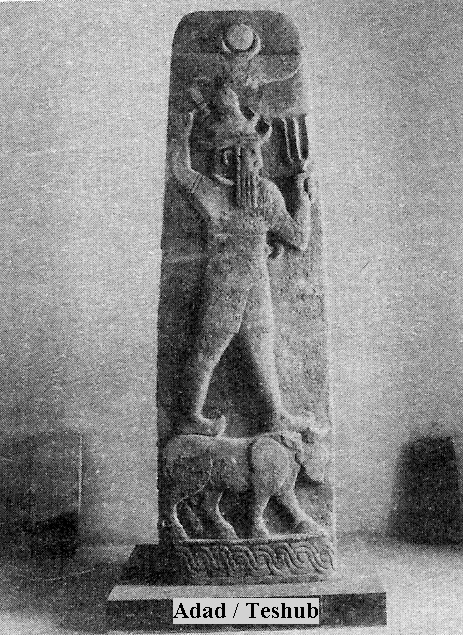 (Adad stele, atop his zodiac Taurus the Bull symbol)
- I dedicated to Rimmon (Adaad) the great lord who loves me.
_________
-
In the mightiness of the power of Asur my lord
-
against the lands of ’Sugi and Qurkhi**, which had not submitted**
-
to Asur my lord, I marched. With 6000
-
of their troops from the lands of Khime, Lukhi,
-
Arirgi, Alamun,
-
Nimni and all the land of Qurkhi
-
far-extending, on the mountain of Khirikhi,
-
an inaccessible district, which like the point of a sword
-
was formed, with all those countries
-
on my feet I fought.
-
A destruction of them I made.
-
Their fighting-men in the ravines of the mountains
-
into heaps I heaped.
-
With the blood of their warriors the mountain of Khirikhi
-
like wool (?) I dyed.
-
The land of ’Sugi throughout its circuit I conquered
-
Their 25 gods, their spoil,
-
their goods (and) their property I carried away.
-
All their cities with fire
-
I burnt, I threw down (and) dug up.
-
Those who were left of their armies took my feet;
-
I showed favor towards them.
-
Tribute and offering upon them
-
I imposed; along with those who behold the face
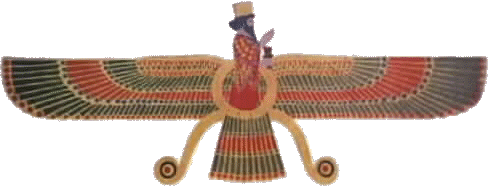 (Ahura-Mazda / Ashur in his winged sky-disc)
-
of Asur my lord I counted them.
-
In those days the 25 gods of those lands,
_________
- the acquisitions of my hands,
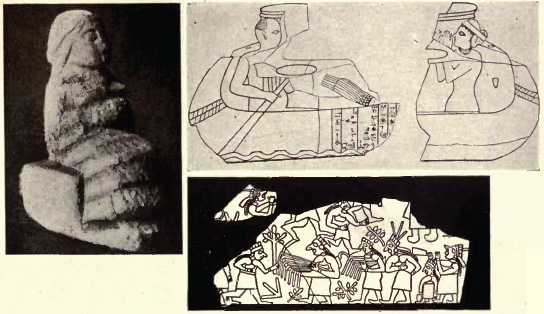 (Ninlil / Beltis)
-
which I had taken, to gratify (?) the temple of Beltis (Enlil’s spouse Ninlil)
-
the great wife, the favorite of Asur my lord,
-
Anu, Rimmon (and) Ishtar (__Inanna) of Assur,
-
as well as the palaces of my city Assur
-
and the goddesses of my country
-
I gave.
_________
-
Tiglath-pileser the powerful king,
-
the conqueror of hostile regions, the rival
-
of the company of all kings.
_________
- In those days through the supreme power (alien technologies)
44**. of** Asur my lord, through the everlasting grace
-
of the great gods, who in the four zones
-
rule in righteousness, and have no vanquisher
-
in the combat, no rival in the battle,
-
to the lands of distant kings
-
on the shore of the upper sea,
-
who knew not subjection,
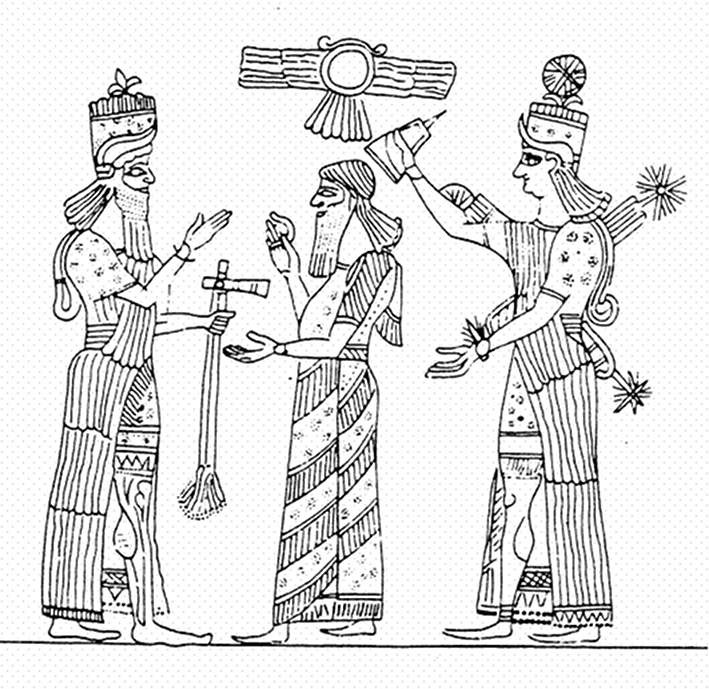 (Ashur, Assyrian mixed-breed king with Inanna crowning him)
 -
Asur the lord urged me and I went.
-
Difficult paths and trackless passes
-
whose interior in former days
-
no king at all had known,
-
steep roads, ways
-
unopened, I traversed.
-
The mountains of Elama, Amadana, Elkhis,
-
Sirabeli, Tarkhuna,
-
Tirka-khuli, Kizra,
-
Tarkha-nabe, Elula,
-
Khastarae, Sakhisara,
-
Ubera, Mili-adruni,
-
Sulianzi, Nubanâsi,
-
and Sesi, 16 mighty mountains,
-
where the ground was good in my chariots, where it was difficult
-
with picks of bronze, I penetrated.
-
I cut down the urum-trees which grow in the mountains.
-
Bridges for the passage
-
of my troops I constructed well.
-
I crossed the Euphrates. The king of the land of Nimme,
-
the king of Tunubu, the king of Tuali,
-
the king of Qidari, the king of Uzula,
-
the king of Unzamuni, the king of Andiabe,
-
the king of Pilaqini, the king of Adhurgini,
-
the king of Kuli-barzini, the king of Sinibirni,
-
the king of Khimua, the king of Paiteri,
-
the king of Uiram, the king of Sururia,
-
the king of Abaeni, the king of Adaeni,
-
the king of Kirini, the king of Albaya,
-
the king of Ugina, the king of Nazabia,
-
the king of Abar-’siuni, (and) the king of Dayaeni,
-
all the 23 kings of the countries of Nairi,
-
in the midst of their lands assembled
-
their chariots and their armies, and
-
to make conflict and battle
-
came on. With the violence of my powerful
88**. weapons** (alien technologies) I pierced them.
-
An overthrow of their widespread armies
-
like the inundation of Rimmon
-
I made. The bodies of their warriors
-
in the plains, the high places of the mountain, and the walls
-
of their cities like sling-stones (?)
-
I flung to the ground. One hundred and twenty of their yoke-chariots
-
in the midst of the combat
-
I acquired. Sixty kings
-
of the lands of Nairi in addition to those who
-
had gone to their assistance
-
with my mace I pursued
-
as far as the Upper Sea.
-
Their great fortresses I captured.
Footnotes
103:4 This seems to be the meaning of sabartum in K 1999, i. 15. 105:1 That is, Lake Van. 105:2 Amadana was the district about Amida or Diarbekir**. Assur-natsir-pal** reached Amadana after leaving Adana, a district of Qurkhi. 105:3 Compare the names of the Gamgumian and Melitenian princes Tarkhu-lara and Tarkhu-nazi, and of the Hittite city Tarkhi-gamas mentioned by the Vannic king Menuas. 106:1 Nimme, according to Assur-natsir-pal, adjoined Alzi and Dayaeni in the neighbourhood of Mush. 106:2 This must be the Dhunibun of Shalmaneser II, eastward of the sources of the Tigris, on the river of Mush (the modern Kara Su). 106:3 In the Vannic language the termination ni(s) denoted “belonging to,” and barzini or barzani signified “a chapel.” 106:4 The Vannic king calls the district in which Palu stands “the land of Puterias.” 106:5 Perhaps the Abunis of the Vannic inscriptions. 106:6 Dayaeni was on the northern bank of the Arsanias, to the north of Mush. It is called the kingdom of “the son of Diaus” in the Vannic texts, which define it more closely as situated on the Murad Chai, near Melazgherd. 106:7 The land of Nairi or “the rivers” denoted in the age of Tiglath-Pileser I****. the districts at the sources of the Tigris and the Euphrates. In the time of Assur-natsir-pal and his successors, on the other hand, it was the country between Lake Van and the northern frontier of Assyria, and consequently lay to the south-west of the Nairi of the time of Tiglath-Pileser I****. It will be noticed that there was as yet no kingdom of Ararat or Van.
COLUMN V
-
Their spoil, their goods (and) their property
-
I carried away. Their cities with fire
-
I burned, I threw down (and) dug up,
-
I reduced to mounds and ruins.
-
Large troops of horses,
-
mules, calves, and the possessions
-
of their homesteads to a countless number
-
I brought back. All the kings
-
of the countries of Nairi alive my hand
-
captured. To those kings
-
I extended mercy, and
-
spared their lives. Their captivity
-
and their bondage in the presence of Samas my lord
-
I liberated, and an oath by my great
-
gods unto future days for ever
-
and ever that they should be (my) servants I made them swear.
-
The children, the offspring of their kingdom,
-
as hostages I took.
-
Twelve hundred horses (and) 2000 oxen
-
I imposed upon them as tribute.
-
In their countries I left them.
_________
- ’Siena king of Dayaeni,
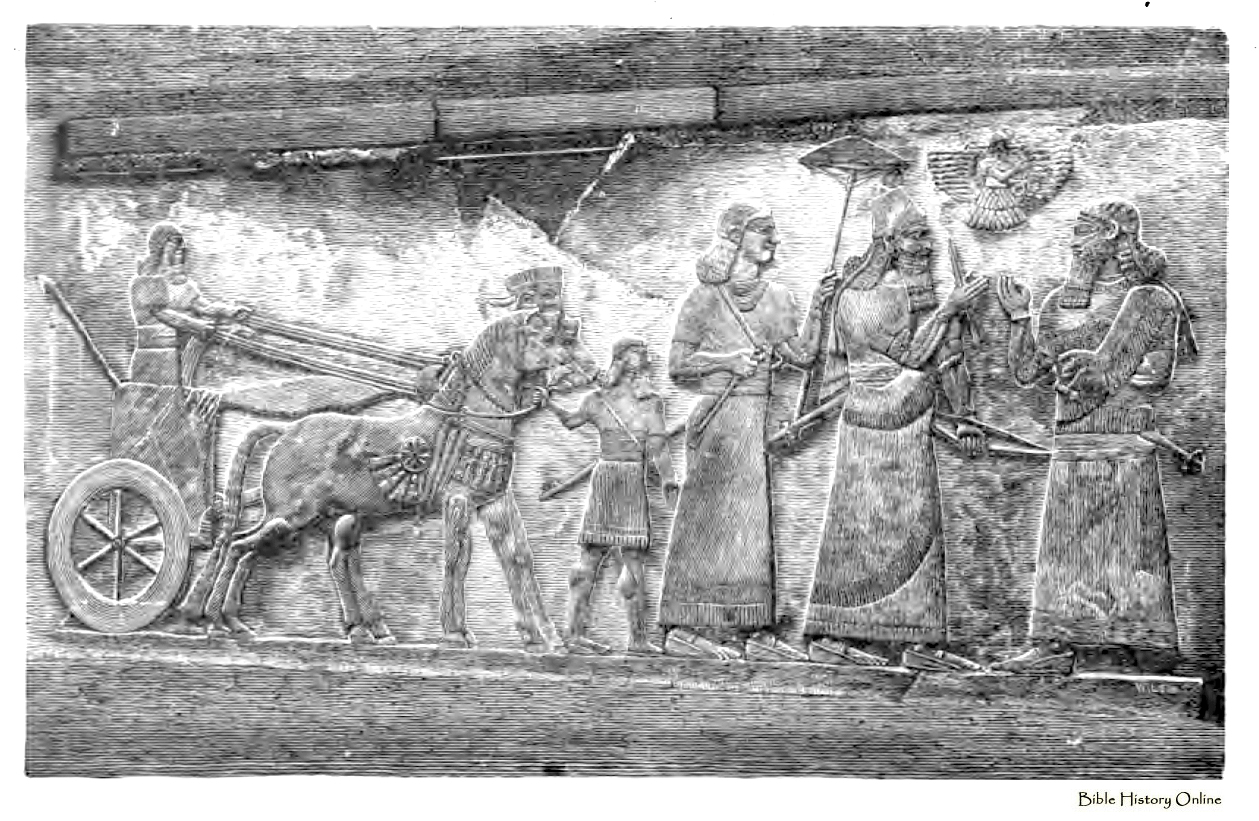 (Ashur hovering above, protecting the king)
-
who did not submit to Asur my lord,
-
captive and bound to my city
-
of Asur I brought; mercy
-
I extended to him, and from my city of Asur,
-
as the exalter of the great gods
-
unto exaltation, alive
-
I let him depart. The lands of Nairi,
-
far-extending, I subdued throughout their whole extent,
-
and all their kings
-
I reduced beneath my feet.
_________
-
In the course of the same campaign
-
against the city of Milidia, of the country of Khani the great,
-
violent (and) unsubmissive, I marched.
-
The mighty onset of my battle they feared.
-
My feet they took; I had mercy on them.
-
The city itself I did not capture; their hostages
-
I accepted. A homer by way of tax of lead
-
as an annual tribute
-
not to be intermitted I imposed upon them.
_________
-
Tiglath-pileser, the destroyer, the quick-moving,
-
the implacable, the deluge of battle.
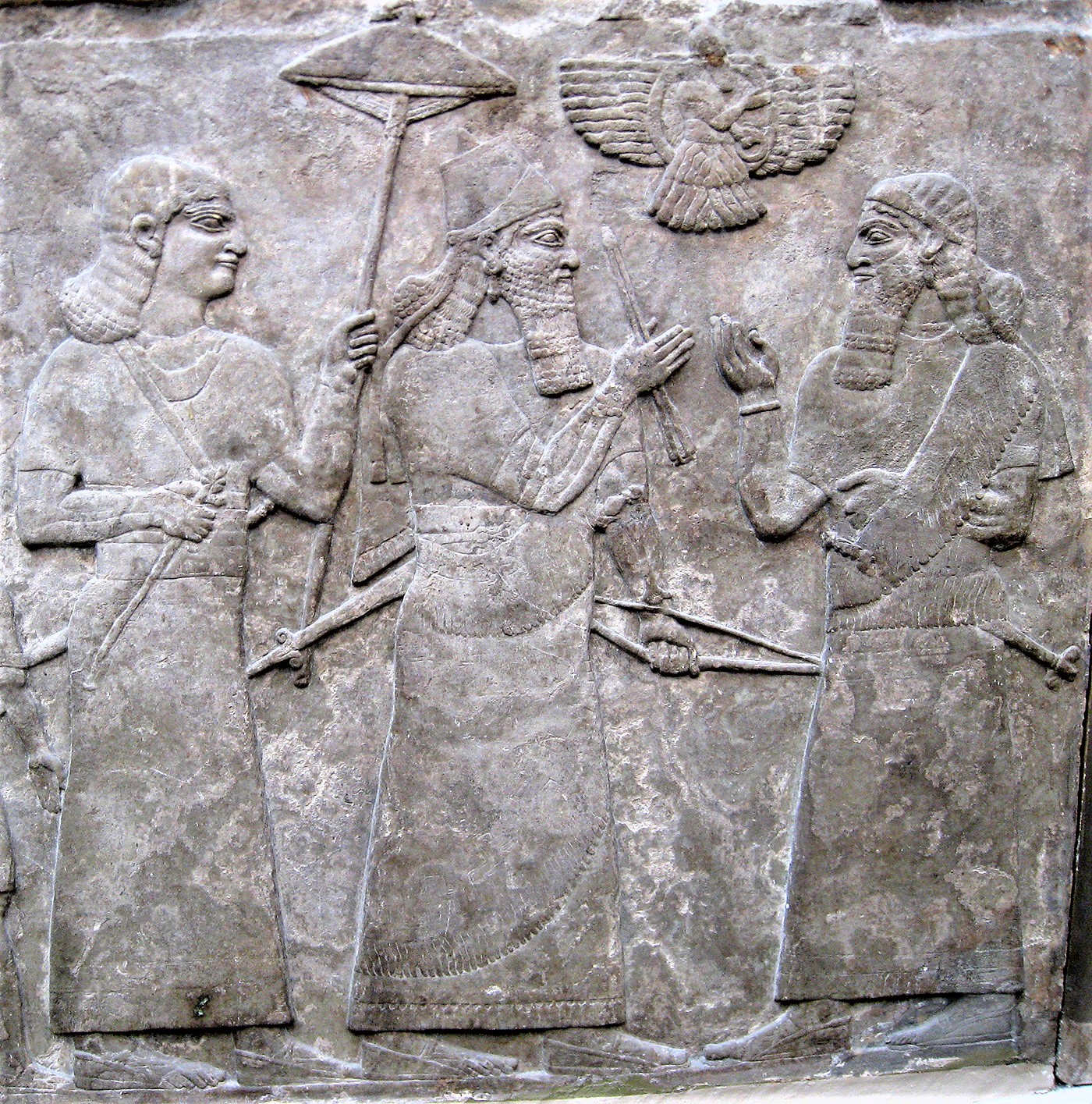 (Ashur, ancient king’s air-force)
-
In the service of Asur my lord, my chariots
-
and warriors I took. In the desert
-
I made (my way). To the bank of the waters
-
of the land of the Armayans, the enemies of Asur my lord,
-
I marched. From opposite to the land of ’Sukhi,
-
as far as the city of Gargamis, of the land of the Hittites (Khatti),
-
in one day I plundered.
-
Their soldiers I slew. Their spoil,
-
their goods and their possessions
-
to a countless number I carried back.
-
The remains of their armies,
-
who before the powerful (weapons) of Asur (alien technologies) my lord
-
had fled and had crossed the Euphrates,
-
after them in vessels of inflated (?) skins
-
I crossed the Euphrates;
-
six of their cities which (were) at the foot of Mount Bisri
-
I captured; with fire I burned,
-
I threw down (and) dug up. Their spoil, their goods
-
and their possessions to my city of Asur
-
I brought.
_________
-
Tiglath-pileser, the trampler upon the mighty,
-
the slaughterer of the unsubmissive, who weakens
-
utterly the strong.
 (winged god Ashur in his sky-disc)
-
To conquer the land of Mu’sr i Asur the lord
-
urged me, and between the mountains of Elamuni
-
Tala and Kharu’sa I made (my way).
-
I conquered the land of Mu’sri throughout its circuit,
-
I massacred their warriors.
-
The cities I burned with fire, I threw down,
-
I dug up. The armies of the land of Qumanî
-
to the help of the land of Mu’sri
-
had gone. On a mountain with them
-
I fought. A destruction of them I made.
-
To a single city, Arini, at the foot of mount Ai’sa,
-
I drove and shut them up. My feet
-
they took. The city itself I spared.
-
Hostages, tribute and offering
-
I laid upon them.
_________
-
In those days all the land of Qumanî,
-
which had prepared to help Mu’sri,
-
gathered together all those countries, and
-
to make conflict and battle
-
were determined. With the violence of my powerful weapons (alien technologies),
-
with 20,000 of their numerous troops
-
on mount Tala I fought.
-
A destruction of them I made.
-
Their strong forces I broke through.
-
As far as mount Kharu’sa, which (is) in front of the land of Mu’sri,
-
I pursued their fugitives. The bodies
-
of their warriors in the ravines of the mountain
-
like a moon-stone I flung to the ground
-
Their corpses over the valleys and the high places of the mountains
-
I spread. Their great fortresses
-
I captured, with fire I burned,
-
I threw down (and) dug up, so that they became mounds and ruins.
-
Khunu’sa their fortified city
-
like the flood of the deluge I overwhelmed.
Footnotes
107:1 Literally “the bann (mamit) of my great gods.” 108:1 The classical Melitênê, now Malatiyeh, on the Euphrates. 108:2 This district of Kappadokia is called “Khani the Great,” to distinguish it from another Khani near Babylon, whose king Tukulti-mer, son of Ilu-saba, dedicated a bronze ram’s head, now in the British Museum, to the temple of the Sun-god (Utu) at Sippara (Sippar, Utu’s city). 109:1 The Arameans. 109:2 The Shuhites of the Old Testament, who extended along the western banks of the Euphrates from the mouth of the Khabour to above that of the Belikh. “Bildad the Shuhite” (Job ii. II) would be Bel-Dadda, Dadda, as we learn from the cuneiform inscriptions, being a form of Hadad (__Adad), the Syrian name of the god of heaven. 109:3 Carchemish, the Hittite capital on the Euphrates, between the mouth of the Sajur and Birejik, now represented by the mounds of Jerablûs. 109:4 Sugase, borrowed from the Accadian (Akkadian) ’su, “skin,” and gavsia (whence the Semitic gubsu). 109:5 Now Tel-Basher. 109:6 Musarbibu, “subduer,” according to M. Amiaud, who regards the word as an example of a parel conjugation (Revue d’Assyriologie, ii. 1, p. 12). 109:7 Mu’sri or Muzri lay to the north-east of Khorsabad, in the mountainous district now inhabited by the Missouri Kurds. The tribute of a p. 110 rhinoceros, yak, elephant, and apes, brought by its inhabitants to Shalmaneser II, must be explained on the supposition that the caravan road from the east passed through it.
COLUMN VI
-
With their mighty armies
-
in the city and the mountains I contended furiously.
-
A destruction of them I made.
-
Their fighting men in the midst of the mountains
-
like a moon-stone I flung down. Their heads
-
like (that) of a sheep I cut off.
-
Their corpses over the valleys and high places of the mountains
-
I spread. The city itself I captured.
-
Their gods I carried away. Their goods (and) their property
-
I brought out. The city with fire I burned.
-
Three of their great fortresses, which of brickwork
-
were constructed, and the circuit of the city itself
-
I threw down (and) dug up; to mounds and ruins
-
I reduced (them), and salt (?) on the top of them
-
I sowed. A plate of bronze I made;
-
the conquest of the lands, which through Asur my god (and) my lord
-
I had conquered, that the site of this city should not (again) be taken,
-
nor its wall be constructed, upon (it)
-
I wrote. A house of brick on the top of it
-
I built: these plates of bronze
-
in the midst (of it) I placed.
_________
-
In the service of Asur my lord my chariots
-
and soldiers I took. The city of Kipsuna
-
their royal city I besieged. The Qumanians
-
feared the mighty, onset of my battle;
-
my feet they took; their lives I spared.
-
Its great wall and its gate-posts
-
of bricks I ordered to be destroyed, and
-
from their foundations to their coping
-
they were thrown down and turned into a mound;
-
and 300 families of evil-doers
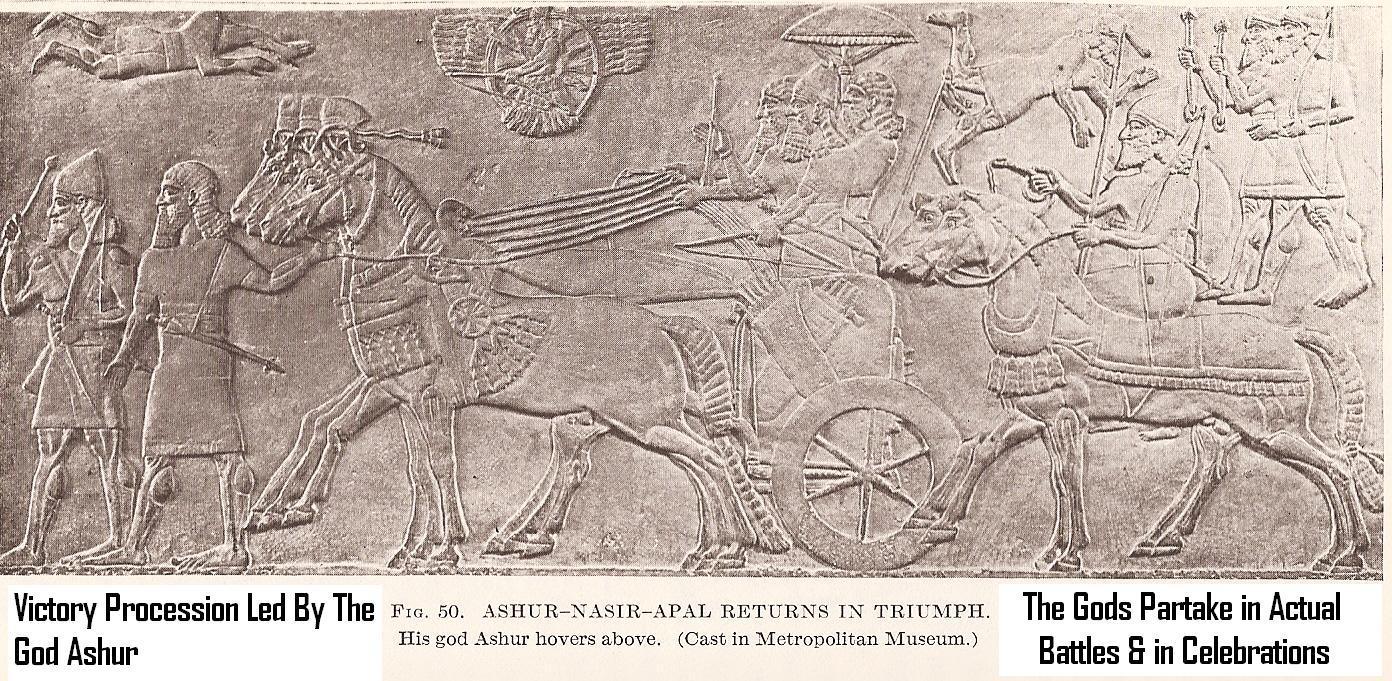 (Ashur protecting his king below)
-
who (were) within it, who were not submissive to Asur my lord,
-
were removed (out of it). I received them. Their hostages
-
I took. Tribute and offering
-
above what was previously paid upon them
-
I imposed, and the widespread land of Qumanî
-
throughout its circuit under my feet
-
I subdued.
_________
-
In all, 42 countries and their kings
-
from the fords of the lower Zab
-
(and) the border of the distant mountains
-
to the fords of the Euphrates,
-
the land of the Hittites (Khattê) and the Upper Sea
-
of the setting sun, from the beginning of my sovereignty
-
until my fifth year my hand has conquered.
-
One word in unison have I made them utter.
-
Their hostages have I taken. Tribute
-
and offering have I imposed upon them.
_________
-
I left the numerous roads of foreign peoples
-
which were not attached to my empire:
-
where the ground was favorable in my chariots, and where it was difficult
-
on my feet, after them
-
I marched. The feet of the enemy
-
I kept from my land.
_________
-
Tiglath-pileser the valiant hero,
-
the holder of the scepter unrivaled
-
who completes the mission of the supreme (gods).
-
Uras (__Marduk) and Nergal have given their forceful
(giant gods with alien high-tech weaponry)
-
weapons and their supreme bow (alien technologies)
-
to the hands of my lordship.
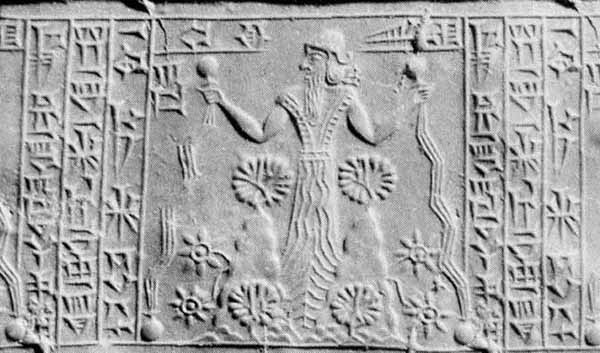 (Marduk, patron god over Babylon)
61. Under the protection of Uras who loves me
-
from young wild bulls, powerful (and) large,
-
in the desert in the land of Mitâni
-
and in the city of Arazigi, which (is) in front
-
of the land of the Hittites, with my mighty bow,
-
a lasso of iron and my pointed
-
spear, their lives I ended:
-
their hides (and) their horns
-
to my city of Asur I brought.
_________
-
Ten powerful male-elephants
-
in the land of Harran (Kharrani) and (on) the bank of the Khabur
-
I slew. Four elephants alive
-
I captured. Their hides
-
(and) their teeth along with the live
-
elephants I brought to my city Asur.
_________
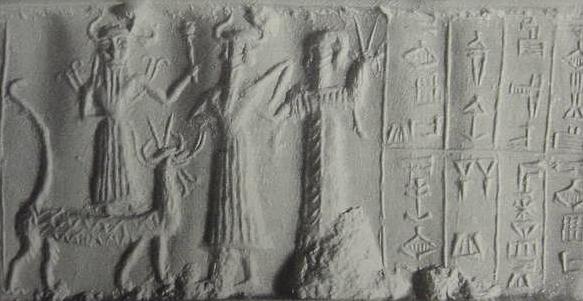 (Marduk, son Nabu, & mixed-breed king with dinner)
-
Under the protection of Uras who loves me
-
120 lions, with my stout heart,
-
in the conflict of my heroism
-
on my feet I slew;
-
and 800 lions in my chariot
-
with javelins (?) I slaughtered.
-
All the cattle of the field and the birds of heaven
-
that fly, among my rarities
-
I placed.
_________
-
After that the enemies of Asur throughout their territories
-
I had conquered, the temple of Istar of (the city) Assur
-
my lady, the temple of Rimmon, (and) the temple of the Older Bel (Enlil),
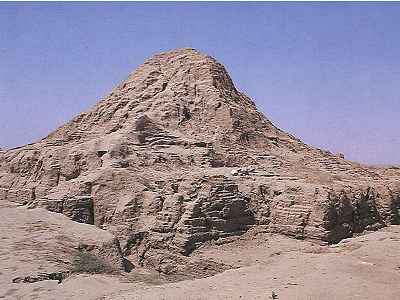 (ziggurat houses of alien gods stood for thousands of years)
-
the temple of the Divinities, the temples of the gods
-
of my city Asur, which were decayed, I built,
-
I completed. The entrances of their temples
-
I constructed. The great gods, my lords,
-
I introduced within;
-
I rejoiced the heart of their great divinity.
-
The palaces, the seat of sovereignty
-
belonging to the great fortresses
-
on the borders of my country, which from
-
the time of my fathers through long
-
years had been deserted and ruined and
-
were destroyed, I built (and) completed.
-
The castles of my country that were overthrown
-
I enclosed. The conduits throughout all the land of Assyria
-
I fastened together wholly, and an accumulation
-
of grain in addition to that (collected) by my fathers
-
I brought back (and) heaped up.
-
Troops of horses, oxen (and) asses
Footnotes
112:1 That is, Lake Van. 113:1 Arazig is the Eragiza of Ptolemy, on the Euphrates, to the north of Balis and the south of Carchemish. Mitâni seems to be the Matenau of the Egyptians mentioned by Ramses III immediately before Carchemish. 113:2 I follow Lotz in this rendering. 113:3 Ni’siggi, borrowed from the Sumerian nin-’sig, “secret.” 114:1 Here called Mâtu**, “the god of the tempest.”** 114:2 Bel of Nipur, called Mul-lil (Enlil), “the lord of the ghost-world,” by the Accadians, and distinguished from Bel****Merodach, the younger Bel (Marduk, Enki’s eldest son, patron god__) of Babylon. 114:3 This apparently means that the images of several deities were collected together in the temple of the Older Bel (__Enlil). 114:4 Literally “sewers.”
COLUMN VII
-
which in the service of Asur my lord
-
in the countries which I had conquered,
-
as the acquisition of my hands
-
which I took, I collected together, and troops .
-
of goats, fallow-deer, wild sheep,
-
the gods who love me have given
-
for hunting, in the midst of the lofty
-
mountains I have taken;
-
their herds I enclosed,
-
their number like that of a flock
-
of sheep I counted:
-
young lambs, the offspring
-
of their heart, according to the desire of my heart,
-
along with my pure sacrifices
-
annually I sacrificed to Asur my lord.
_________
-
The cedar, the likkarin tree
-
(and) the allakan tree from the countries
-
which I had conquered, these trees
-
which among the kings
-
my fathers who (were) before (me) none
-
had planted, I took and
-
in the plantations of my country
-
I planted, and the costly fruit
-
of the plantation, which did not exist in my country,
-
I took. The plantations of Assyria
-
I established.
_________
-
Chariots (and horses) bound to the yoke,
-
for the mightiness of my country, more than before
-
I introduced (and) harnessed.
-
To the land of Asur (I added) land,
-
to its people I added people.
-
The health of my people I improved.
-
A peaceable habitation
-
I caused them to inhabit.
_________
-
Tiglath-pileser, the great, the supreme,
-
of his heart conduct, so that
-
after the enemies of Asur
-
he has overrun all their territories, and
-
has utterly slaughtered the overweening.
-
The son of Asur-ris-ilim, the powerful king, the conqueror
-
of hostile lands, the subjugator
-
of all the mighty.
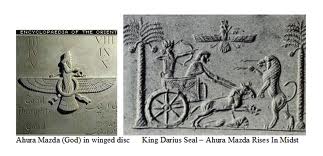 (Ahura-Mazda / Ashur & king)
-
The grandson of Mutaggil-Nu’sku, whom Asur the great lord
-
in the conjuration of his steadfast heart
-
had required, and to the shepherding
-
of the land of Asur had raised securely.
_________
-
The true son of Asur-da’an,
-
the upraiser of the illustrious scepter, who ruled
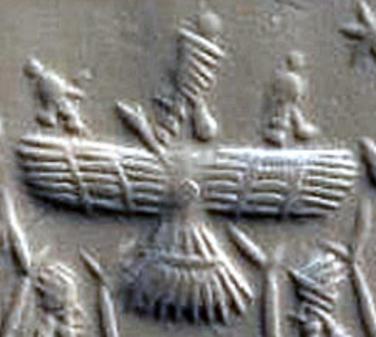 (Earth Colony Commander Enlil, father King Anu, & brother Enki in winged sky-disc)
-
the people of Bel (__Enlil), who the work of his hands
-
and the gift of his sacrifice
-
commended to the great gods, so that
-
he arrived at gray hairs and old age.
_________
-
The descendant of Uras-pileser,
-
the guardian (?) king, the favorite of Asur,
-
whose might like a sling
-
was spread over his country, and
-
the armies of Asur he shepherded faithfully.
_________
-
the great gods, my lords,
-
which in former times Samas-Rimmon, the high-priest 1 of Asur,
-
the son of Isme-Dagon, the high-priest also of Asur,
-
built, for 641 years
-
went on decaying,—
-
Asur-da’an the king of Asur,
-
the son of Uras-pileser, the king also of Asur,
-
pulled down this temple (but) did not rebuild (it);
-
for 60 years its foundations
-
were not laid.
 (
(- At the beginning of my reign, Anu
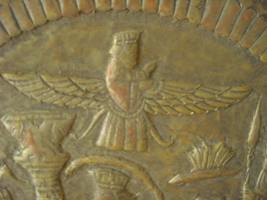
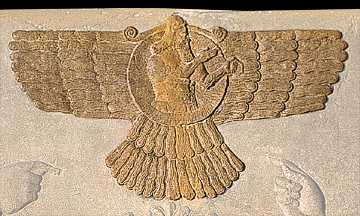 (Ashur in his winged sky-disc)
-
and Rimmon the great gods, my lords,
-
who love my priesthood (’sanguti),
-
commanded the rebuilding
-
of their habitation. I made bricks;
-
I purified its site;
-
I undertook its reconstruction; its foundations
-
I laid upon the mass of a huge mound.
-
This place throughout its circuit
-
I piled up with bricks like a double fold (?).
-
Fifty tibki below
-
I sunk (it); upon it
-
I laid with pulu-stone.
-
From its foundations to its roof
-
I built (the temple); greater than (it was) before I reared (it).
-
Two great towers
-
which for the glorification of their great divinities
-
were adapted, I constructed.
-
The illustrious temple, a building with cornices,
-
the seat of their rejoicing,
-
the habitation of their pleasure,
-
which has been beautified like the star(s) of heaven,
-
and by the art of the workmen
-
has been richly carved,
-
I have worked at, have toiled over, have built
-
(and) have completed. Its interior
-
I compacted together like the heart of heaven;
-
its walls like the resplendence
-
of the rising of the stars I adorned.
-
I strengthened its buttresses,
-
and its towers to heaven
-
I lifted; and its roof
-
I fastened together with brickwork.
-
The divining rod,
-
the oracle of their great
-
divinities within it
-
I placed.
-
I introduced within (it);
-
on their thrones supreme
-
I seated them;
-
and the heart of their great divinities
-
I gladdened.
Footnotes
116:1 Sir H. Rawlinson has suggested that Asur-ris-ilim is the Chushan-rish-athaim of Judges iii. 8, a name which certainly seems to be corrupt. Chushan-rish-athaim is called king of Aram Naharaim or “Aram of the two rivers,” which represents Mesopotamia in the Old Testament, though the Naharaina of the Egyptian monuments was the region about the Orontes, while the Assyrian Nahri or Nairi was primarily the district to the northwest of Lake Van, and afterwards the country to the south of it. Assur-ris-ilim claims to have “subdued Lullumi and all Quti (or Kurdistan) with the entrance to its mountain-ranges” (W.A.I., iii. 3, 18); but these districts lay to the east of Assyria, and no allusion is made to any campaign in the west. 116:2 That is, the Babylonians. 116:3 Literally “fulness” (nubalu, akin to nabli, in the Cuthean Legend of the Creation, iv. 20). 117:1 Pate’si. 117:2 Literally “I took its strength” (read dannat-su, not libnat-su). 117:3 The tibku was a measure of length which is explained in the Talmud as the longer cubit of 7 palms mentioned in 2 Chr. iii. 3. 117:4 Prof. D. H. Müller believes the pulu-stone to have been brought from Armenia, and to have derived its name from the Vannic pulu-’si, “engraved.” It is also called pili-stone. It was a species of white marble. 118:1 Qusuda. In W.A.I., V. 28, 4, gasdu is the synonym of allum, the Aramaic êlâ. 118:2 Elallâ. It seems to have been a stem of papyrus covered with writing.
COLUMN VIII
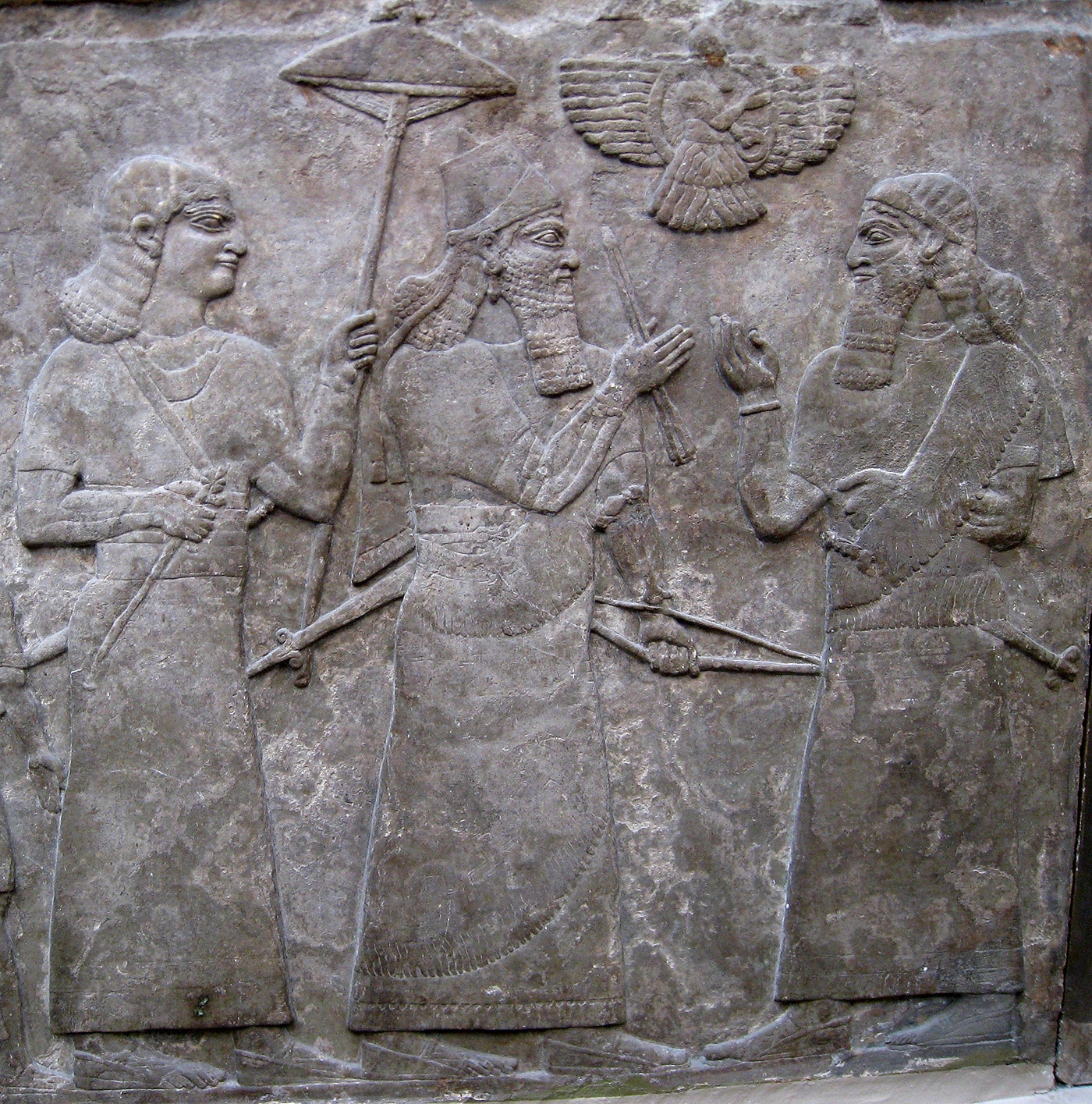 (ancient king with alien air-force protection)
-
Bit-Khamri (the temple) of Rimmon,
-
which Samas-Rimmon the high-priest of Assur
-
the son of Isme-Dagon the high-priest of Asur
-
had built, had fallen into decay and was ruined.
-
I purified its site; from its foundations
-
to its roof with brick
-
I bonded (it) together. More than before
-
I adorned, I established (it).
-
In its midst pure victims
-
to Rimmon my lord I sacrificed.
_________
-
In those days the ivory (?) stone, the khalta stone
-
and the mountain stone from the mountains
-
of Nairi, which through Asur my lord
-
I had conquered, I carried away;
-
in Bit-Khamri, (the temple) of Rimmon my lord
-
for days to come I set (them).
_________
-
As I the illustrious temple, the building supreme,
-
my lords, have labored at and have not desisted
-
(and) have not rested from the work,
-
(but) have quickly completed (it), and
-
have gladdened the heart of their great
-
turn (to me) for ever and
-
love the lifting up of my hands;
-
may they hearken to the earnestness of my prayer;
-
abundant rains, years
-
of fertility and fatness to my reign
-
may they give; in battle and conflict
-
may they conduct (me) in safety;
-
all the countries of my enemies, countries
-
that are powerful, and kings that are hostile to me,
-
may they subdue beneath my feet;
-
to myself and my supremacy
-
may they approach in goodness, and
-
my priesthood in the presence of Asur and their great
-
divinities unto future days
-
may they establish like a mountain for ever.
_________
-
The power of my heroism, the might
-
of my battle, the subjection of enemies,
-
have given for a spoil,
-
on my monuments and my cylinder
-
the great gods my lords
-
I have deposited (them) for days to come;
-
the monumental-stones of Samas-Rimmon,
-
my (fore)father I have anointed with oil; a victim
-
I have sacrificed: to their place I have restored (them).
_________
-
In future days, in the days to come,
-
at any time whatever, may a future prince,
-
gods, my lords, and these towers
-
shall grow old and
-
shall decay, renew their ruins;
-
my monumental-stones and my cylinder
-
may he anoint with oil; a victim may he sacrifice;
-
to their place may he restore (them),
-
and may he write his name along with mine.
-
the great gods in goodness of heart
-
and the acquisition of power kindly conduct him!
_________
-
Whoever my monumental-stones and my cylinder
-
shall shatter, shall sweep away,
-
shall throw into the water,
-
shall burn with fire,
-
shall conceal in the dust; in the holy house of the god
-
(in) a place invisible shall store (them) up in fragments;
-
shall obliterate the name that is written, and
-
shall write his own name, and something
-
evil shall devise, and
-
against my monumental-stones
-
shall work injury;
_________
-
fiercely regard him and
-
may they curse him with a withering curse.
-
May they overthrow his kingdom;
-
may they remove the foundation of the throne of his majesty;
-
may they annihilate the fruit of his lordship;
-
may they break his weapons;
-
may they cause destruction to his army;
-
in the presence of his enemies in chains
-
may they seat him. May Rimmon with lightning
-
destructive smite his land;
-
want, hunger, famine
-
(and) corpses may he lay upon his country;
-
may he not bid him live for one day;
-
may he root out his name (and) his seed in the land!
_________
-
(Written) in the month Kuzallu, the 29th day, in the eponymy
-
of Ina-ili-ya-allak the chief of the body-guard.
Footnotes
118:3 The Pate’sis, or high-priests of Assur, preceded the kings of Assyria, of whom the first is stated to have been Bel-kapkapu. As Samas-Rimmon**, the high-priest, flourished 701 years before** Tiglath-Pileser****, his date would be about B.C. 1830. In Babylonia the high-priests were subject to a suzerain king; it is therefore probable that the high-priests of Assur also admitted the supremacy of a supreme monarch who may have ruled in Babylonia. Bricks have been found on the site of Ur in Babylonia bearing the name of Isme-Dagon**, “king of Sumer and Accad,” but he must** p. 119 have lived at a much earlier period than Samas-Rimmon**, whose Babylonian contemporary was Gul-kisar.** 119:1 Another mode of spelling Nahri. 119:2 Literally “have not laid down my side at the work.” 120:1 Thereby turning them into Beth-els or consecrated stones. Cf. Gen. xxviii. 18. 121:1 “Of sheep-breeding,” a name of Sivan or May, according to W.A.I., v 43, 14. 121:2 Literally ” the mighty men,” like the Gibborim of the Old Testament; cf. 2 Sam. xxiii. 8. Assyrian chronology was reckoned according to the eponyms, officers who gave their name to each year of the king’s reign. As the inscription of Rimmon-nirari I, who preceded Tiglath-Pileser I by about two hundred years, is dated in the eponymy of Shalman-garradu (“the god Solomon is a hero”), accurate chronology in Assyria went back to an early period.