Source: Oracc. Artifacts and parenthetical commentary added by editor R. Brown.
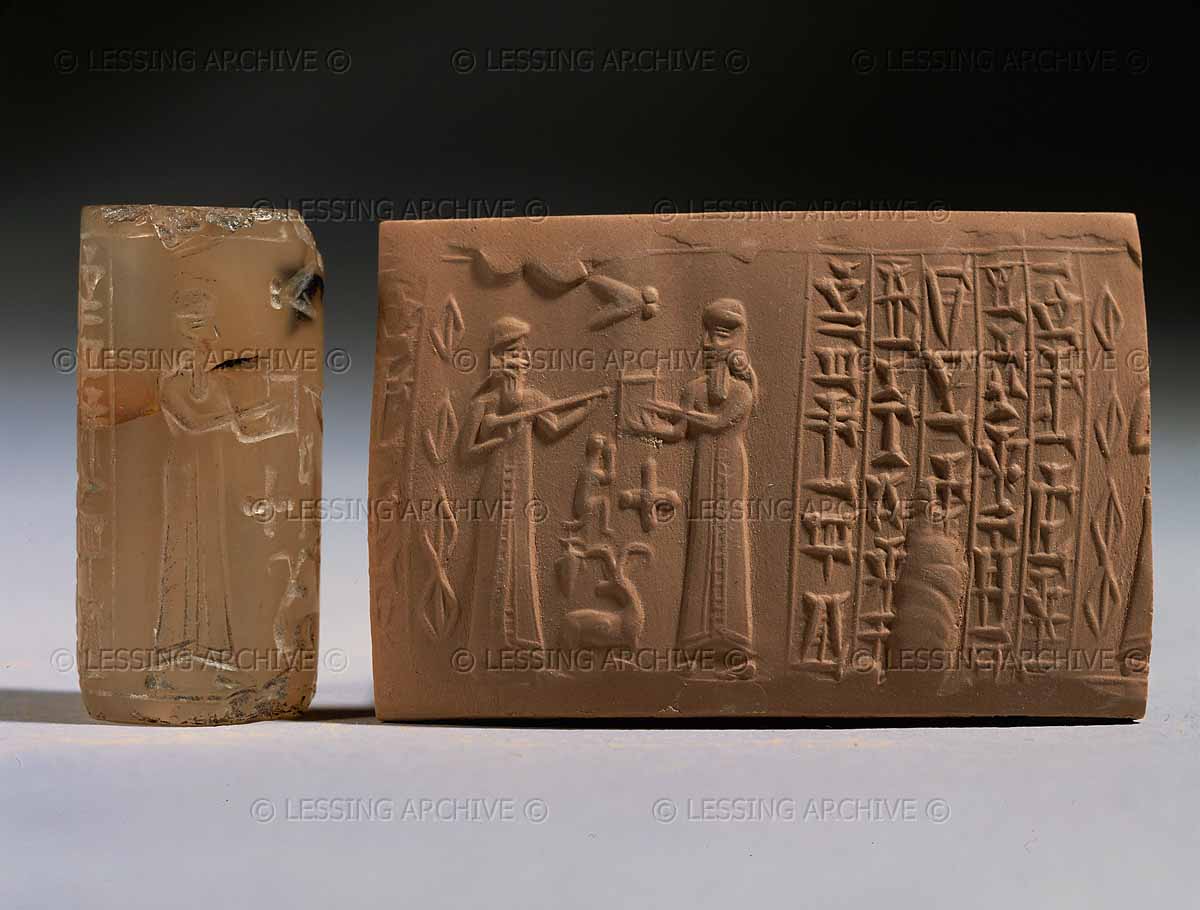 (son & scribe Nabu with his father Marduk, tablet in hand)
Neriglissar, king of Babylon, pious prince, the desire of the god Marduk’s heart, exalted ruler, beloved of the god Nabû, the one who deliberates and acquires wisdom, the one who [is] always (lit.: “without ceasing”) [mindful] of provisioning Esagil (__Marduk’s ziggurat temple residence in his patron city of Babylon), Ezida (__Nabu’s ziggurat temple residence in Borsippa), and Emeslam (__Nergal’s temple / residence in Kutha) — 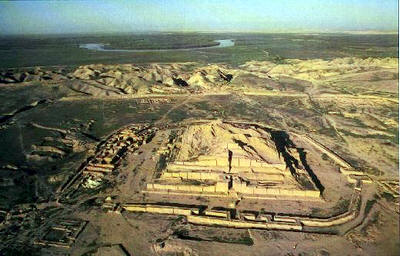
 (Esagil in Babylon; Ezida in Borsippa, homes of gods) the cult centers of the great gods — […] … […] … […]
 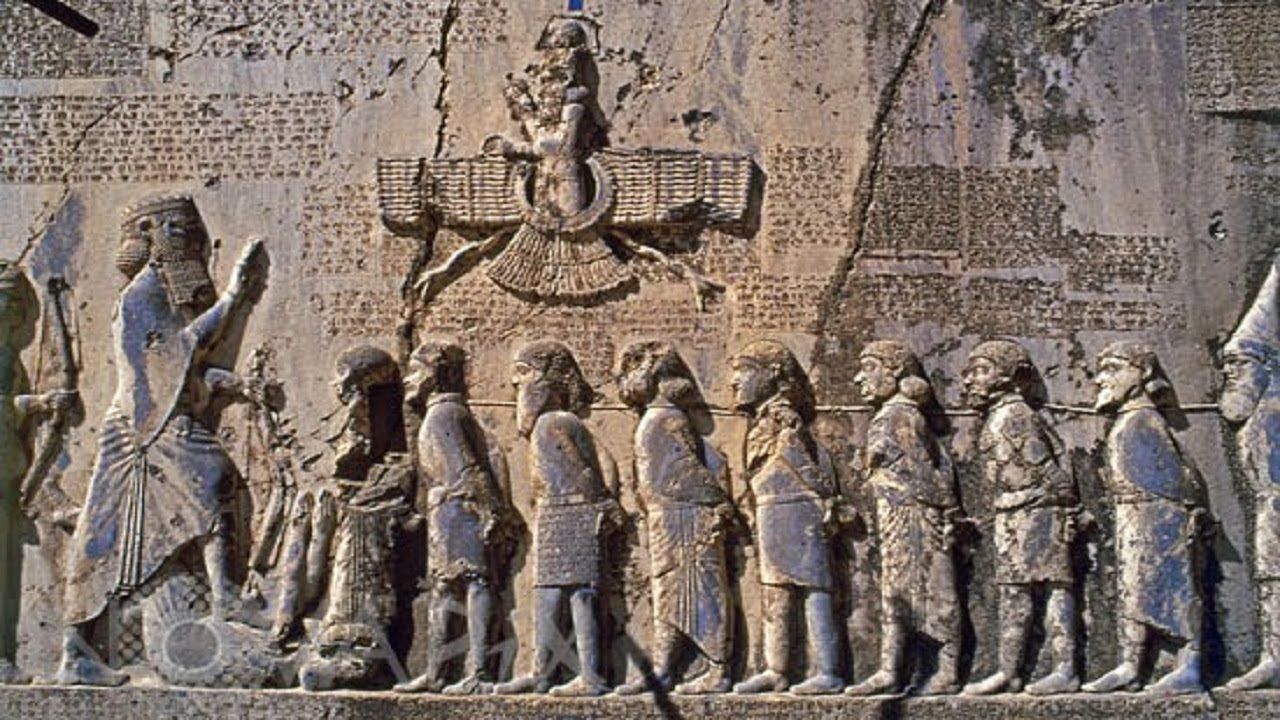 (Samas / Utu flies cover for his selected semi-divine giant kings & their armies) … the god Šamaš (Utu) […] ex[tended] his fa[vorable] protection over my army. Through pronouncement and divination, the god [Šamaš (…)] spoke unequivocally […] I gave reverent attention.
 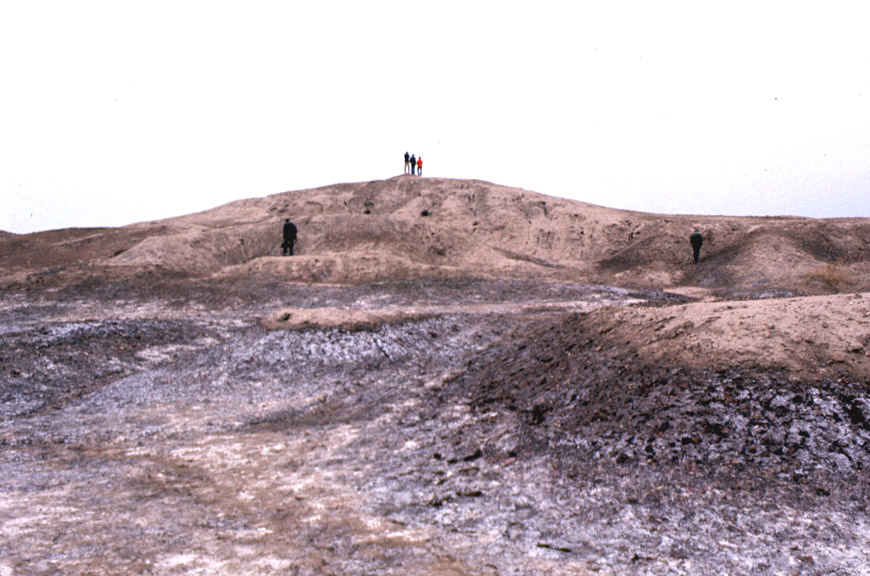 (Sippar ruins after tens of thousands of years) During the beginning of my gracious kingship, the ziggurrat of Sip[par] (__Utu’s temple residence in Sippar), which a former king had b[uilt and whose] brickwor[k] rains and downpo[urs] carried away, (which) a king of the past restored, put its brickwork in goo[d order], reb[uilt] its dilapidated section(s), constructed (it to a height of) twenty-two cubits, but [did] not co[mplete its] superstructu[re]:
As for me, the w[ise (and) pious one] who [knows how] to revere the god[s], through the wisdom that the god [Ea] (Enki) gave to [me, f]or the god Šamaš […] […] in a pronouncement […].